 (No Ratings Yet)
 Loading...
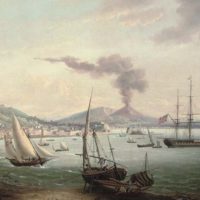 An English Frigate In The Bay Of Naples by John Thomas Serres
 Figures on a beach near Naples by Giovanni Serritelli
 View of Brussels from the NorthEast by Hercules Seghers
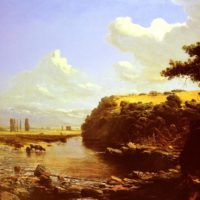 Cattle watering in a River Landscape, believed to be Chile by Thomas Jacques Somerscales
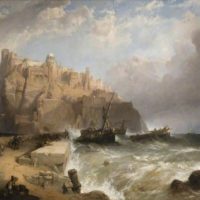 The Castle of Ischia by Clarkson Stanfield
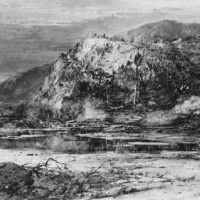 Landscape with Rocky Hills and Stream by William Louis Sonntag
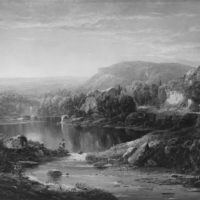 Landscape with Waterfall and Figures by William Louis Sonntag
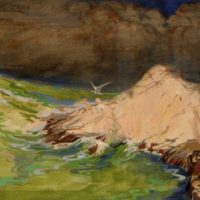 The Tale Of Kynon by George Sheringham
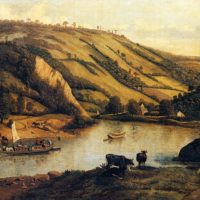 An Extensive River landscape, Probably Derbyshire, With Drovers And Their Cattle In The Foreground by Jan Siberechts
 Landscape with Rainbow, Henley-on-Thames by Jan Siberechts
 (No Ratings Yet)Loading...
Francesco Albani, an exponent of the classical ideal, chose a format for his four tondos which, in his own words, “softened” his pictorial expression. The subject matter is taken from Philostratus (Eikones I,6) who describes the games of cupids throughout the four seasons: throwing apples in spring, the fiery furnace of summer, Venus and Adonis taking their farewell in autumn and sleep in winter.
(No Ratings Yet)Loading...Francesco Albani, an exponent of the classical ideal, chose a format for his four tondos which, in his own words, “softened” his pictorial expression. The subject matter is taken from Philostratus (Eikones I,6) who describes the games of cupids throughout the four seasons: throwing apples in spring, the fiery furnace of summer, Venus and Adonis taking their farewell in autumn and sleep in winter.
 (No Ratings Yet)Loading...
Francesco Albani, an exponent of the classical ideal, chose a format for his four tondos which, in his own words, “softened” his pictorial expression. The subject matter is taken from Philostratus (Eikones I,6) who describes the games of cupids throughout the four seasons: throwing apples in spring, the fiery furnace of summer, Venus and Adonis taking their farewell in autumn and sleep in winter.

 (No Ratings Yet)Loading...
In England Agasse was praised for his extreme devotion to art, of his marvellous knowledge of anatomy, of his special fondness for the English racehorses, and his excellence in depicting them.
 (No Ratings Yet)Loading...
Theodoor Aenvanck’s Fruit, like many other floral compositions in 17th-century painting, also represents the process of decay and destruction.


