 (No Ratings Yet)
 Loading...
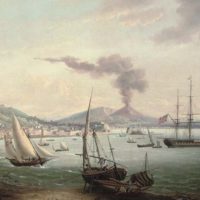 An English Frigate In The Bay Of Naples by John Thomas Serres
 Figures on a beach near Naples by Giovanni Serritelli
 View of Brussels from the NorthEast by Hercules Seghers
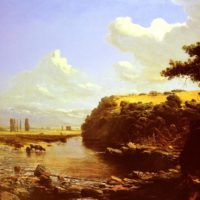 Cattle watering in a River Landscape, believed to be Chile by Thomas Jacques Somerscales
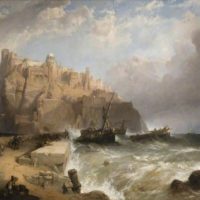 The Castle of Ischia by Clarkson Stanfield
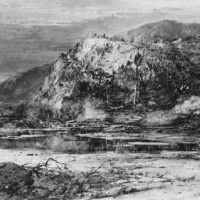 Landscape with Rocky Hills and Stream by William Louis Sonntag
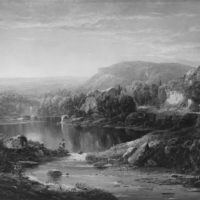 Landscape with Waterfall and Figures by William Louis Sonntag
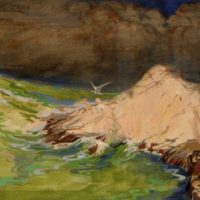 The Tale Of Kynon by George Sheringham
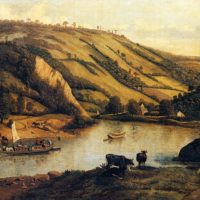 An Extensive River landscape, Probably Derbyshire, With Drovers And Their Cattle In The Foreground by Jan Siberechts
 Landscape with Rainbow, Henley-on-Thames by Jan Siberechts
 (No Ratings Yet)Loading...
This painting includes a total of 112 Natherlandish proverbs in a single scene. The proverbs are taken literally. For instance, “To crap on the world” is literally represented as a person crapping on a globe. The depiction is on the left corner of the picture where a man in red clothes is coming out of a window. Artist of the Flemish renaissance from 16th century, Pieter Bruegel the Elder was known for similar works, which included The Seven Deadly Sins, The Months, Big Fish Eats Little Fish and The Blind leading the Blind. Pieter Bruegel the younger, the artist’s son had depicted more than 20 versions of the paintings. Here is one of them.
 (No Ratings Yet)Loading...
The first version of Massacre of the Innocents by Rubens was made in 1612. Here is represented the second version made in 1638, which resembles some similarities to the original while brutalizes some aspects even more than the first one. The subject matter and the scene is elaborately described in the first version’s iconography. The second version is painted after 25 years of the first one and it hasn’t lost its impact. Actually, Rubens has made it more intense and gruesome than the first one. More realistic approach than the first version In here, the emphasis is on the use of weaponry to kill infant. In the first version, soldiers were depicted in a moment in which they were killing either snatching the infants from […]
 (No Ratings Yet)Loading...
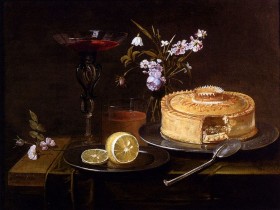
If you remember newspaper and billboard advertisements of good-looking accessories such as handcrafted collectibles, you will know how affluent senses can be tickled in a still life painting or a close up. It is not easy for painters, as tickling of the senses requires perfection and style, which are relatively easier to achieve by camera in a studio. However, for Frans Ykens, the lights had to be replaced with brush strokes and intelligent color play, while he himself played the camera. The combination of items you see in the painting signify an auspicious occasion. However, it could also part of the daily arrangements for a very wealthy woman. The owner of these items is surely a female because men who love bingeing, would rarely chance […]
 (No Ratings Yet)Loading...
The most famous paintings in the world generally haven’t been found with any major historical events (except The Last Supper by Leonardo da Vinci and The Creation of Adam by Michelangelo). The subjects of most such paintings have been a portrait of a rich woman or a girl, a group or a portrayal of a landscape. The subject was nothing in particularly that much adorned or famous or important at the time those painting were being created. The subject got famous after the spectacular paintings by the painter got revealed towards the world and more importantly the unique features of those paintings which helped those paintings becoming famous. The represented painting, The Night Watch by Rembrandt van Rijn, doesn’t fit in the category. The subject […]


